


Content
TL;DR
- MoneyGram and the Stellar Development Foundation have signed a new multi-year extension of their partnership.
- The next phase expands MoneyGram’s stablecoin balance feature from Colombia into El Salvador, with more Central and South American markets expected later this year.
- The partnership already includes MoneyGram Ramps, which connects wallets and exchanges to USDC cash-in and cash-out on Stellar.
- The bigger goal is simple: make stablecoins useful in everyday cross-border money movement, especially for remittances and cash-heavy markets.
MoneyGram and Stellar are pushing their stablecoin partnership into its next phase.
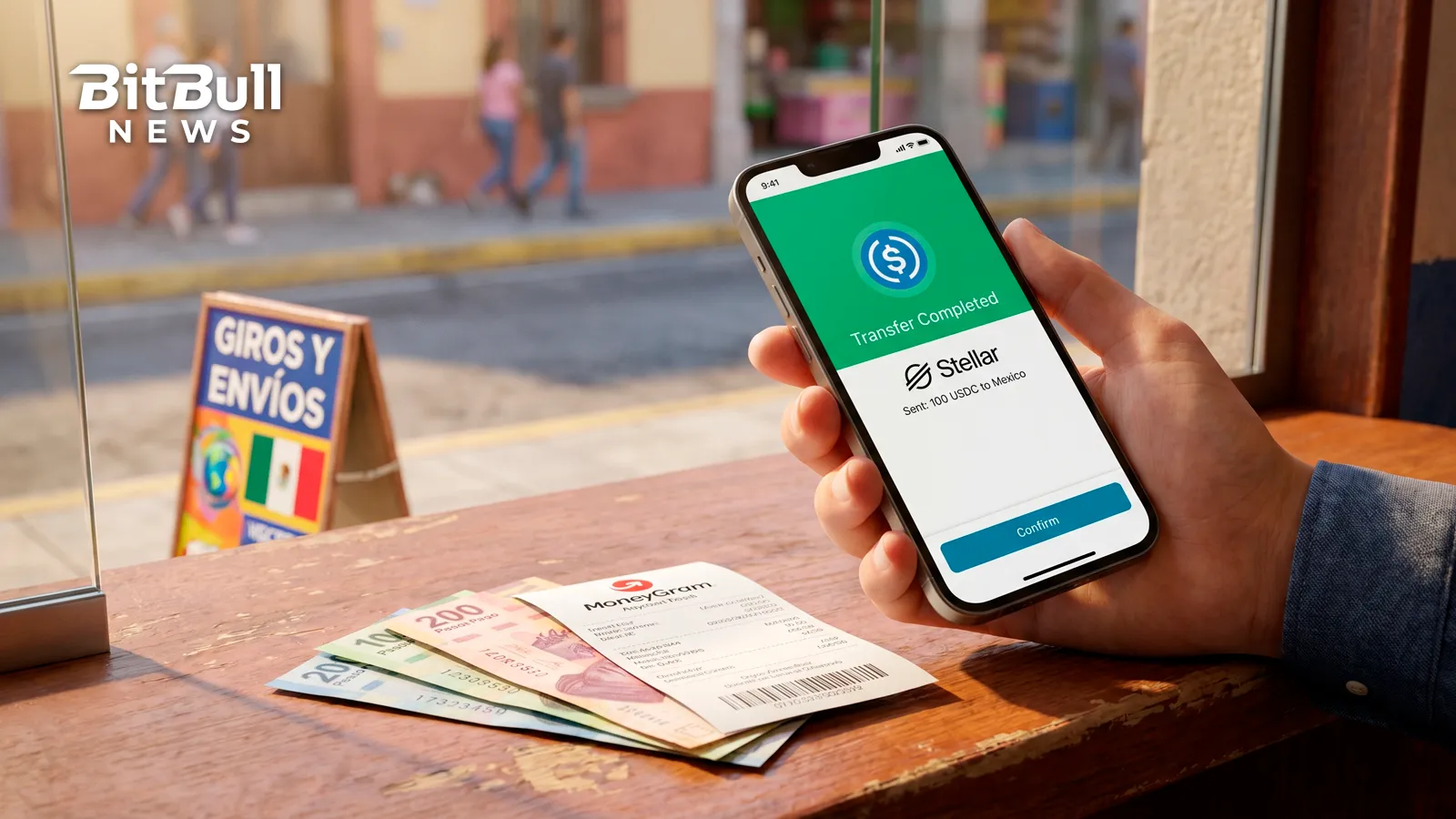
The two companies said they have signed a multi-year extension aimed at scaling real-world stablecoin use, with a fresh focus on Latin America. The immediate move expands MoneyGram’s app-based stablecoin balance from Colombia into El Salvador, with more launches across Central and South America planned this year.
Simply put, this is less about crypto trading and more about making cross-border money easier to receive, hold, and cash out. MoneyGram is using Stellar-based USDC infrastructure to turn stablecoins into something closer to a practical remittance tool.
The Partnership Is Moving Beyond Basic On-And-Off Ramps
This is not a brand-new relationship. MoneyGram and Stellar say they have worked together since 2021, and that collaboration has already produced three core pieces: a cash on/off-ramp network for digital assets, the MoneyGram Ramps API for developers, and a stablecoin balance inside the MoneyGram app.
On MoneyGram’s own developer and product pages, MoneyGram Ramps lets wallets and exchanges support USDC deposits and withdrawals on Stellar, while the broader Ramps product connects digital wallets to cash access in more than 170 countries.
That matters because it gives this story a stronger real-world angle than a typical partnership headline. The companies are not just talking about future stablecoin adoption. They are extending infrastructure that already connects crypto wallets, retail cash points, and app-based balances. This is an inference based on the products both sides say are already live.
Latin America Is The Next Real Test For The Product
The new rollout centers on Latin America. MoneyGram said the stablecoin balance feature first went live in Colombia and has now launched in El Salvador, with a wider regional rollout planned next. The service runs on Stellar and uses Crossmint and Circle’s USDC.
MoneyGram’s own Colombia help pages show what that looks like in practice: users can receive money in the app, convert it into USDC, hold that balance, and withdraw cash in Colombian pesos later. Users can also cash out only part of their balance and keep the rest in USDC.
That is the real hook here. The product is trying to hide most of the crypto complexity while keeping the upside of digital dollars in the background. For users who care more about getting paid and accessing cash than about “using blockchain,” that is a much more useful pitch. This is an inference based on MoneyGram’s app flow and the stated remittance focus of the expansion.
MoneyGram And Stellar Are Still Selling The Same Core Idea
Both companies are framing the partnership around financial access. MoneyGram says it is building an open payments network that moves across fiat and stablecoins, while Stellar says the goal is to deliver instant cross-border payments in a way that feels seamless to users.
That message lines up with Stellar’s existing case-study language around MoneyGram. Stellar says MoneyGram uses USDC on Stellar to combine a dollar-backed stablecoin with low-cost, payments-focused blockchain rails, while enabling people to move between digital dollars and local cash more easily.
Why It Matters
This partnership matters because it focuses on one of the few stablecoin use cases that normal people can understand right away: getting money across borders faster, then choosing whether to hold it digitally or cash out nearby. That feels a lot more concrete than another chain expansion or token launch. This is an inference based on the features both companies describe and the markets they are targeting.
It is also worth watching what happens after this Latin America rollout. If MoneyGram expands the stablecoin balance into more markets and keeps tying it into its global cash network, this partnership could become a bigger test of whether stablecoins can work as everyday payment infrastructure instead of just exchange-side liquidity. That forward-looking view is an inference based on the announced regional expansion, the existing Ramps network, and MoneyGram’s global footprint.