Block 1: Security & Self-Custody
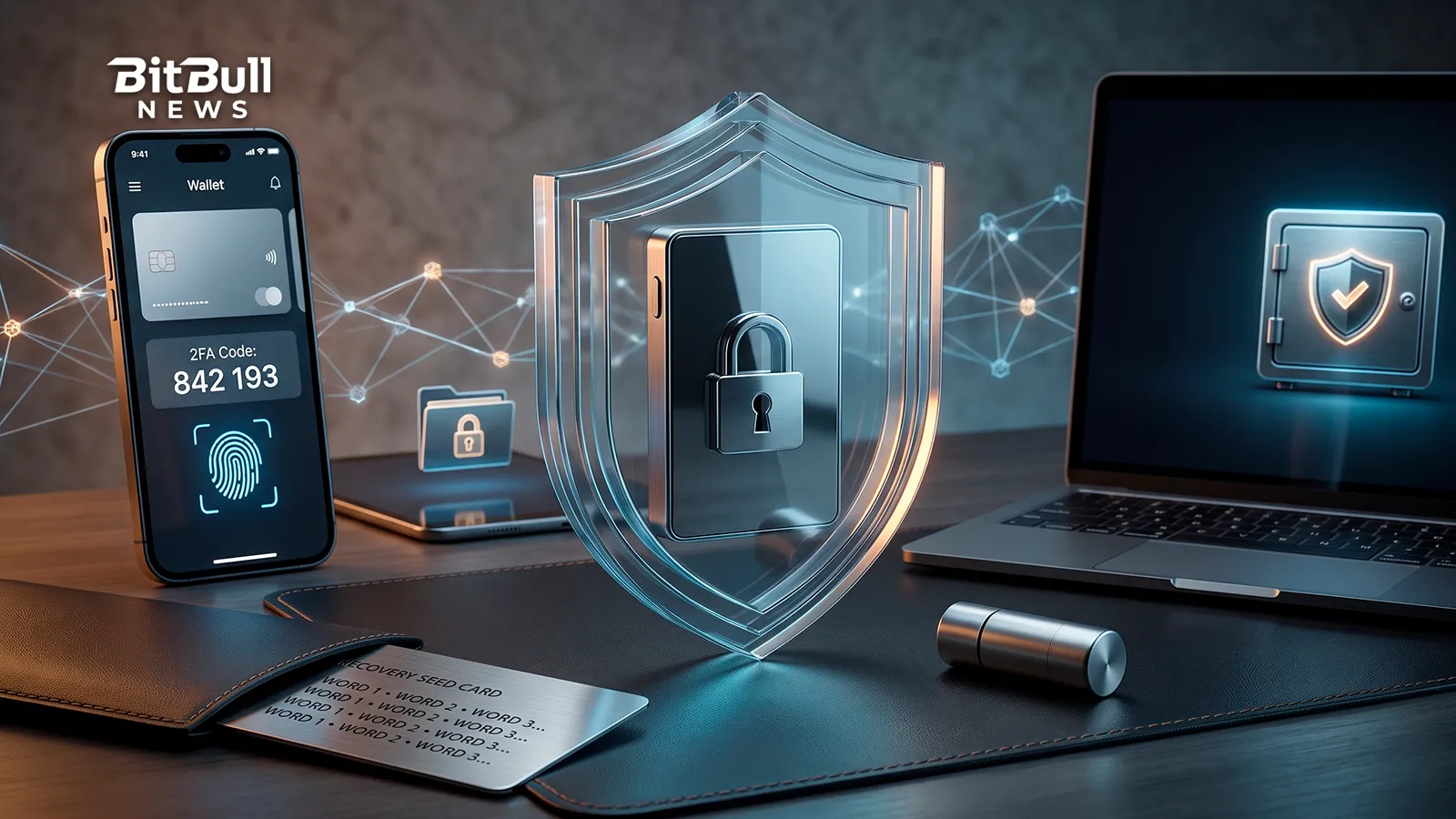
Your wallet doesn’t hold coins. It holds the keys that prove the coins are yours, and whoever holds those keys…
Three names come up again and again when people move crypto into cold storage: Ledger, Trezor, and Coldcard. All three…
Crypto runs on one hard rule that scammers exploit every day: transactions can’t be reversed. There’s no bank to call,…
Your seed phrase is the master key to everything in your wallet. Whoever holds it controls the coins, and there’s…
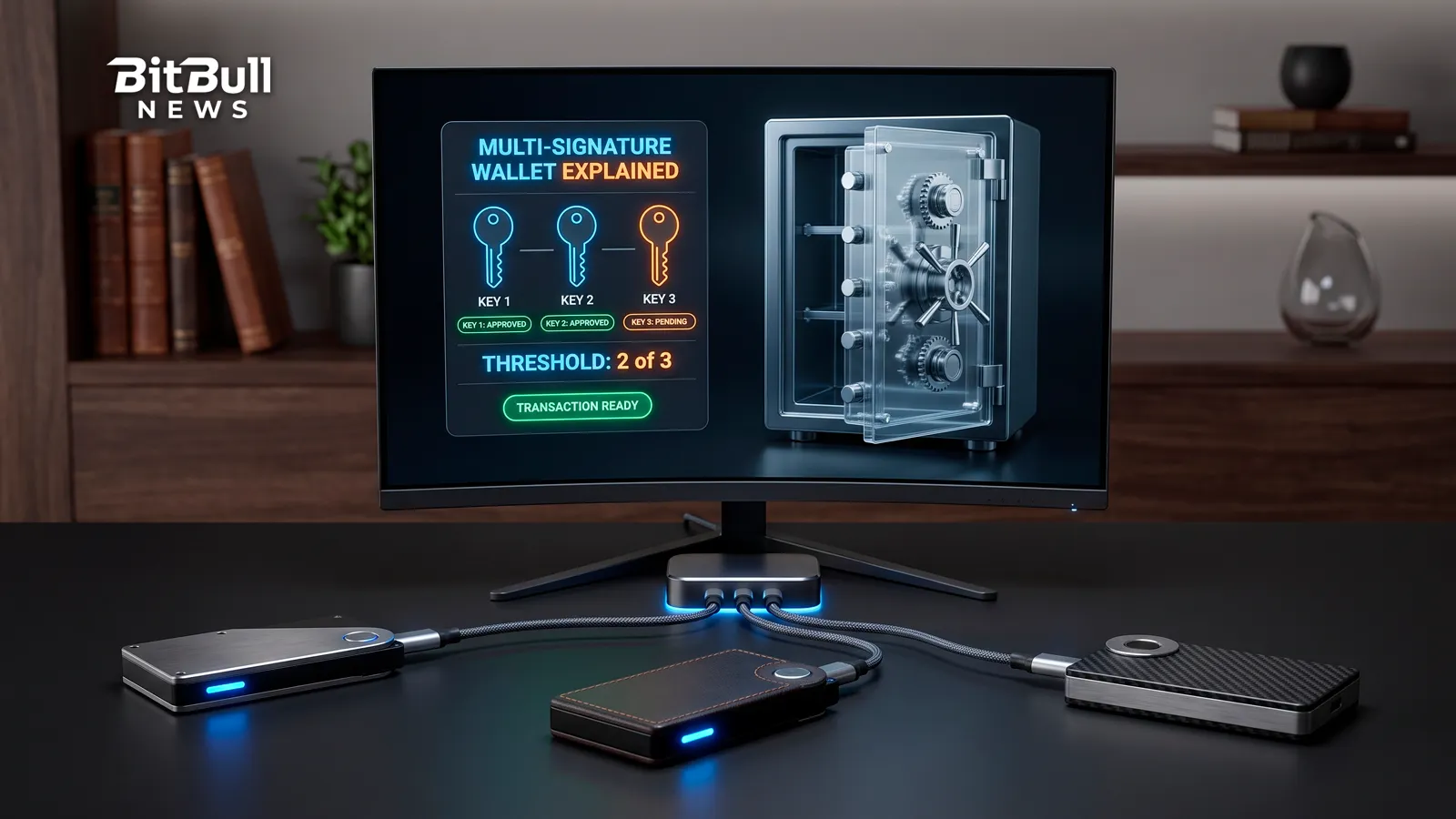
A normal crypto wallet has one key. Whoever holds it can move the funds — which also means one leak,…
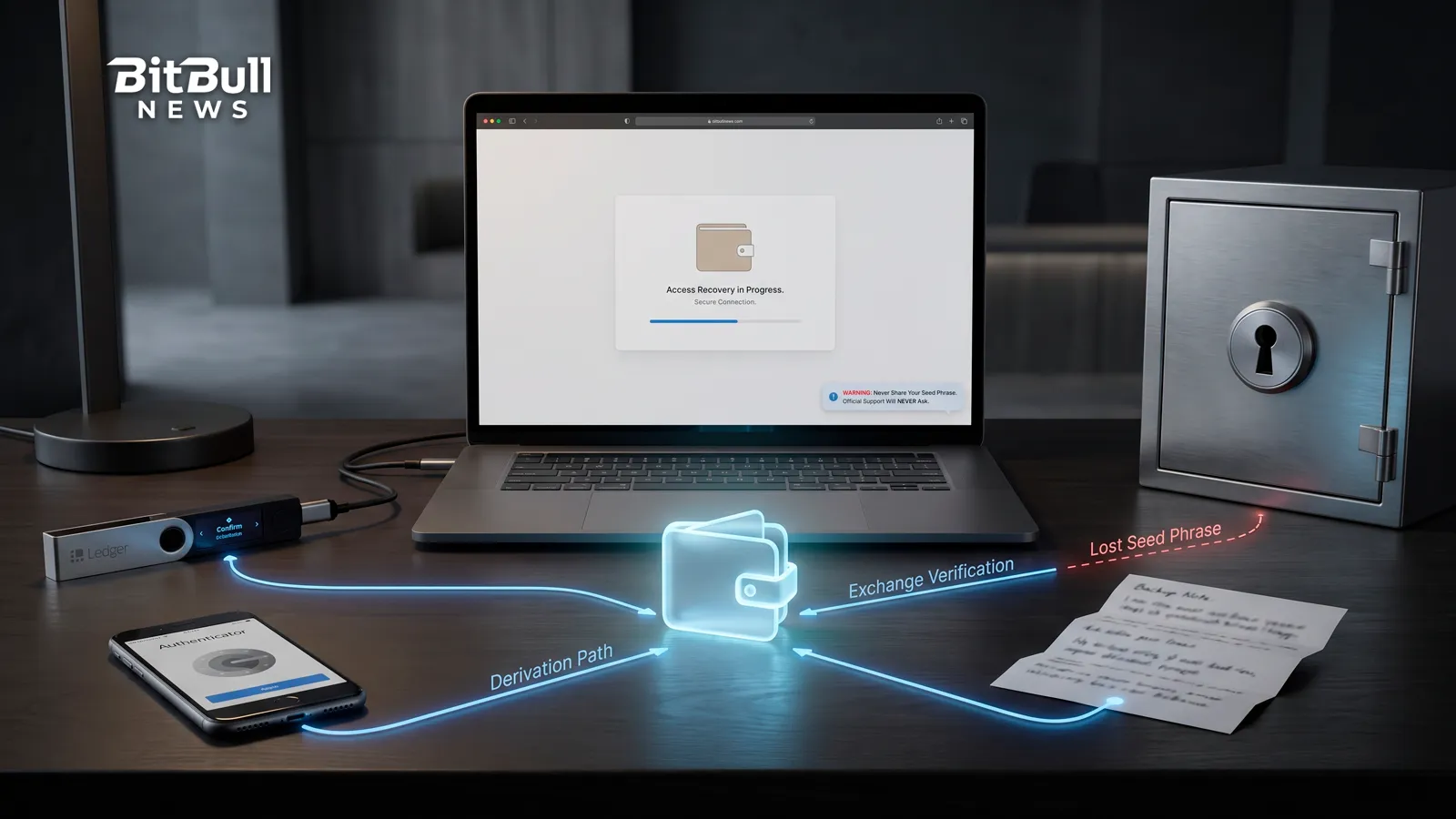
Losing access to crypto feels final, and sometimes it is. But not every “lost” wallet is actually gone. A surprising…
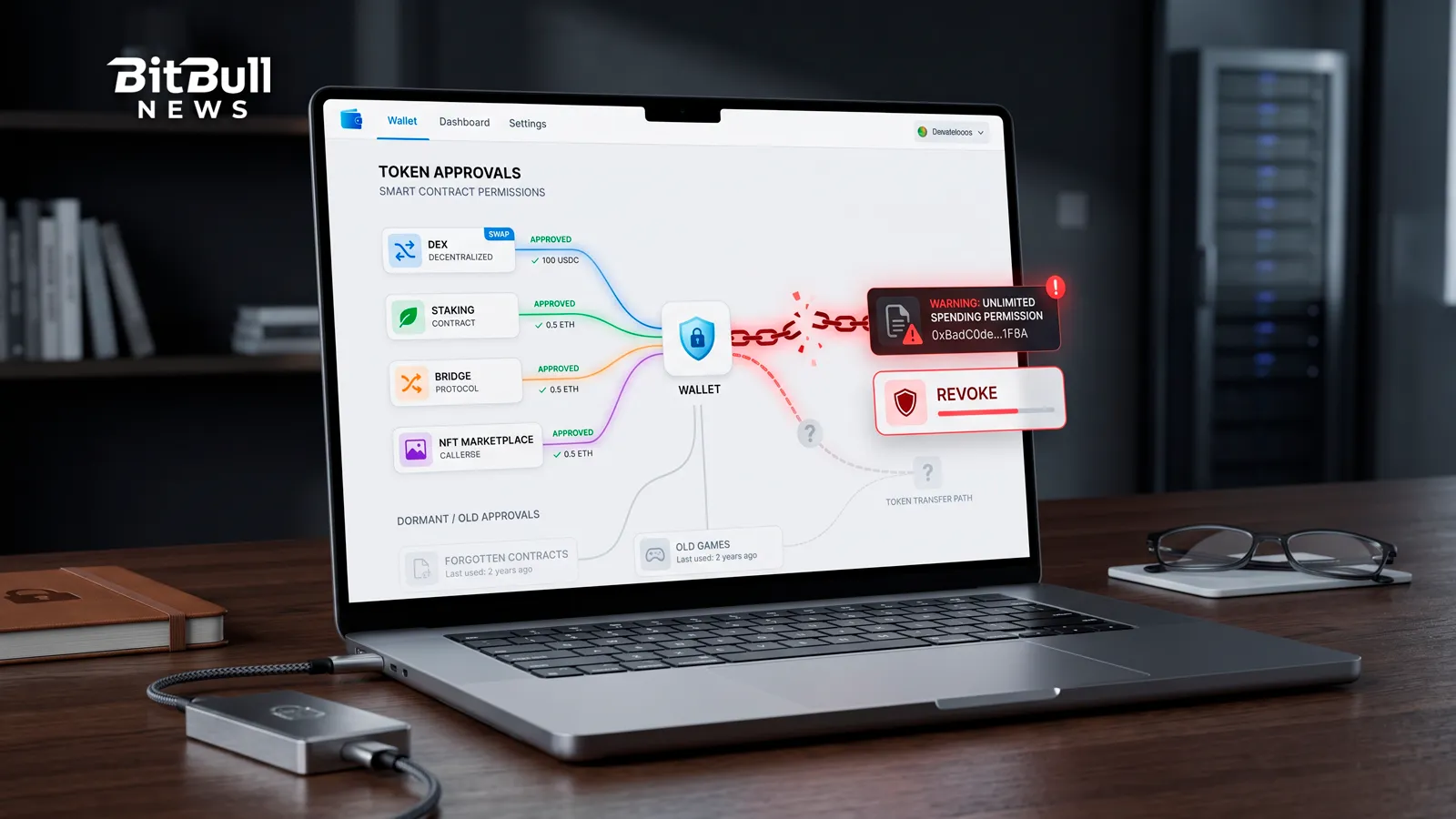
Most wallets don’t get drained by someone cracking your private key. They get drained by a permission you granted yourself,…
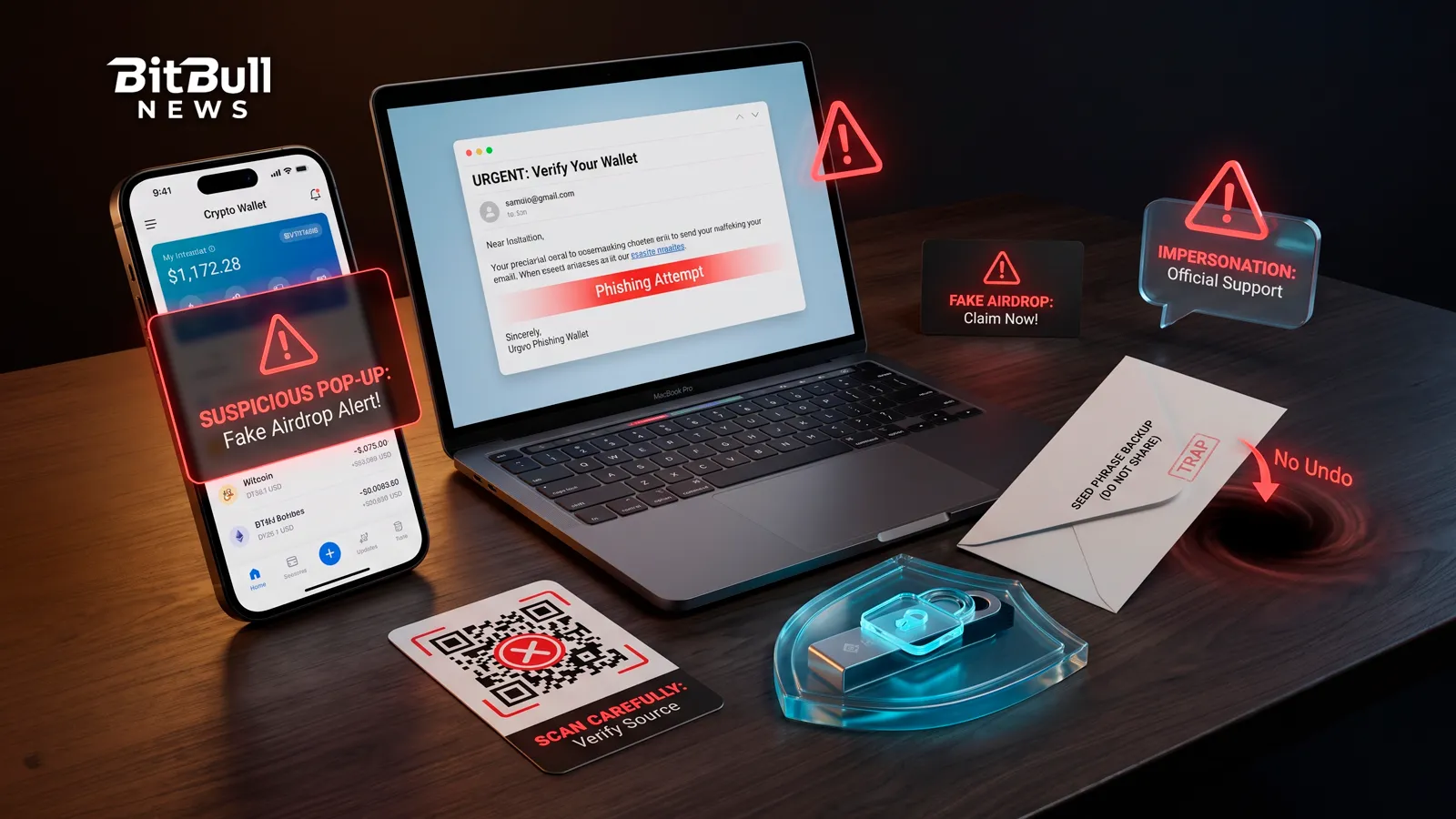
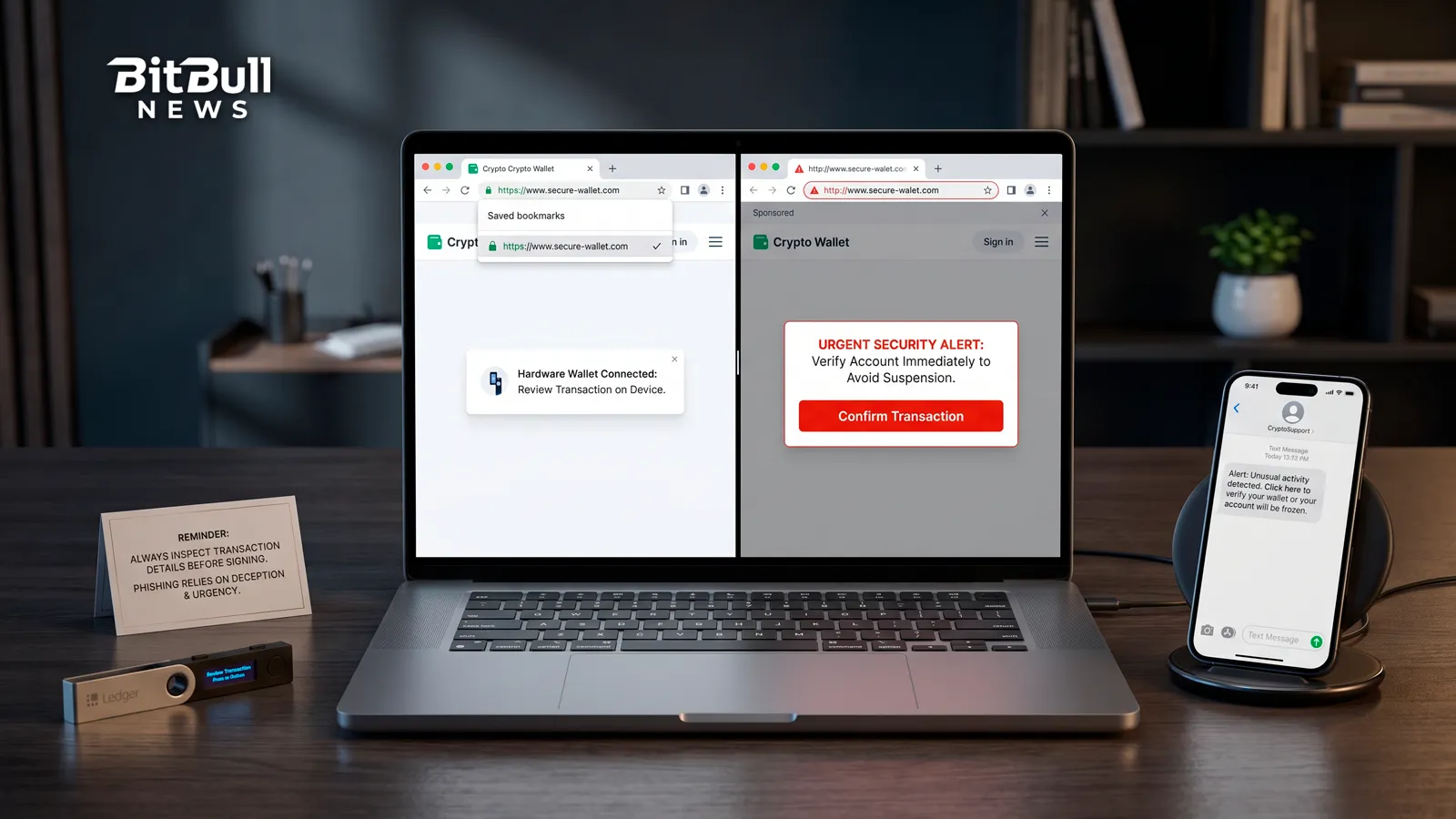
Phishing is the most successful attack in crypto, and it isn’t close. It doesn’t break cryptography or crack your key.…
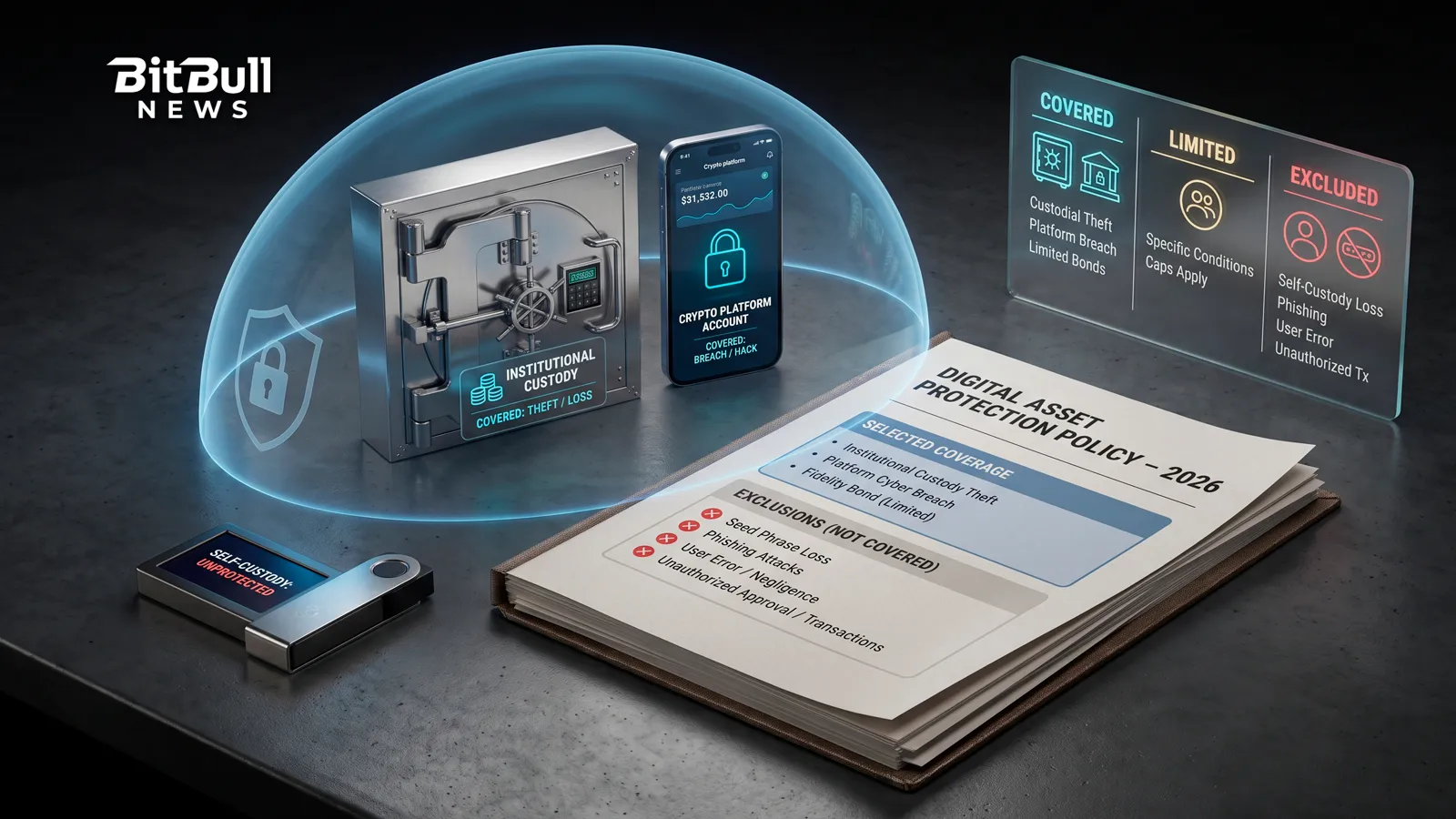
Start with the uncomfortable part. If you hold crypto in your own wallet, it is almost certainly not insured, and…
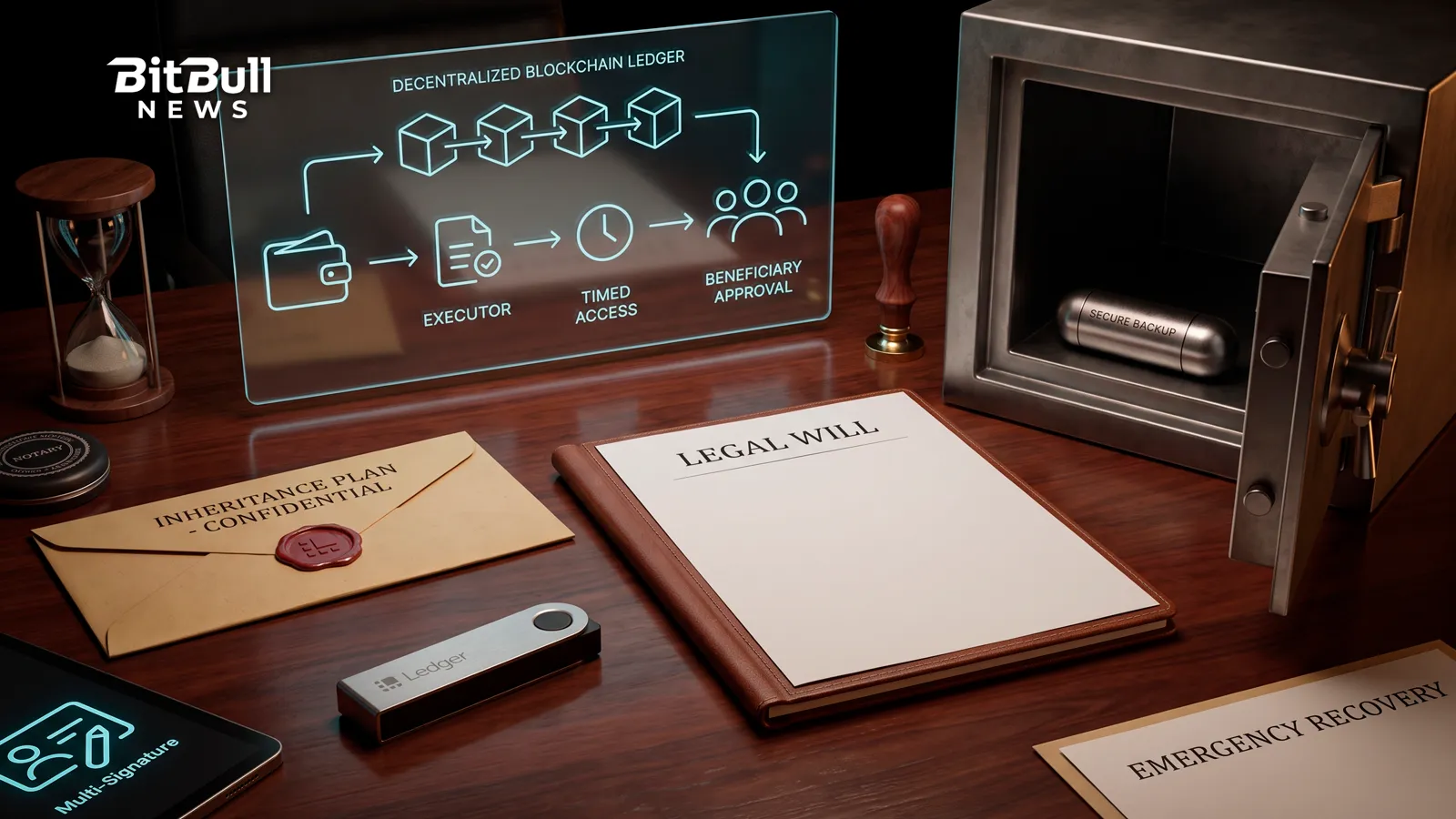
Crypto has a brutal property that traditional assets don’t: it can vanish entirely at the moment of your death. Not…
We use essential cookies to run the site. Analytics and advertising cookies are used only after consent.