


Content
TL;DR
- Tassat is using Avalanche to support Lynq, a real-time, interest-bearing settlement network for institutional digital assets.
- Lynq was developed with Arca Labs and tZERO and supported by partners including Avalanche, U.S. Bank, B2C2, Crypto.com, FalconX, Fireblocks, Galaxy and Wintermute.
- The system is designed to reduce fragmented post-trade settlement by combining real-time settlement, proof of reserves and interest-bearing cash-like infrastructure.
- The key shift is that institutional settlement is moving from closed banking rails toward blockchain-based infrastructure built for 24/7 markets.
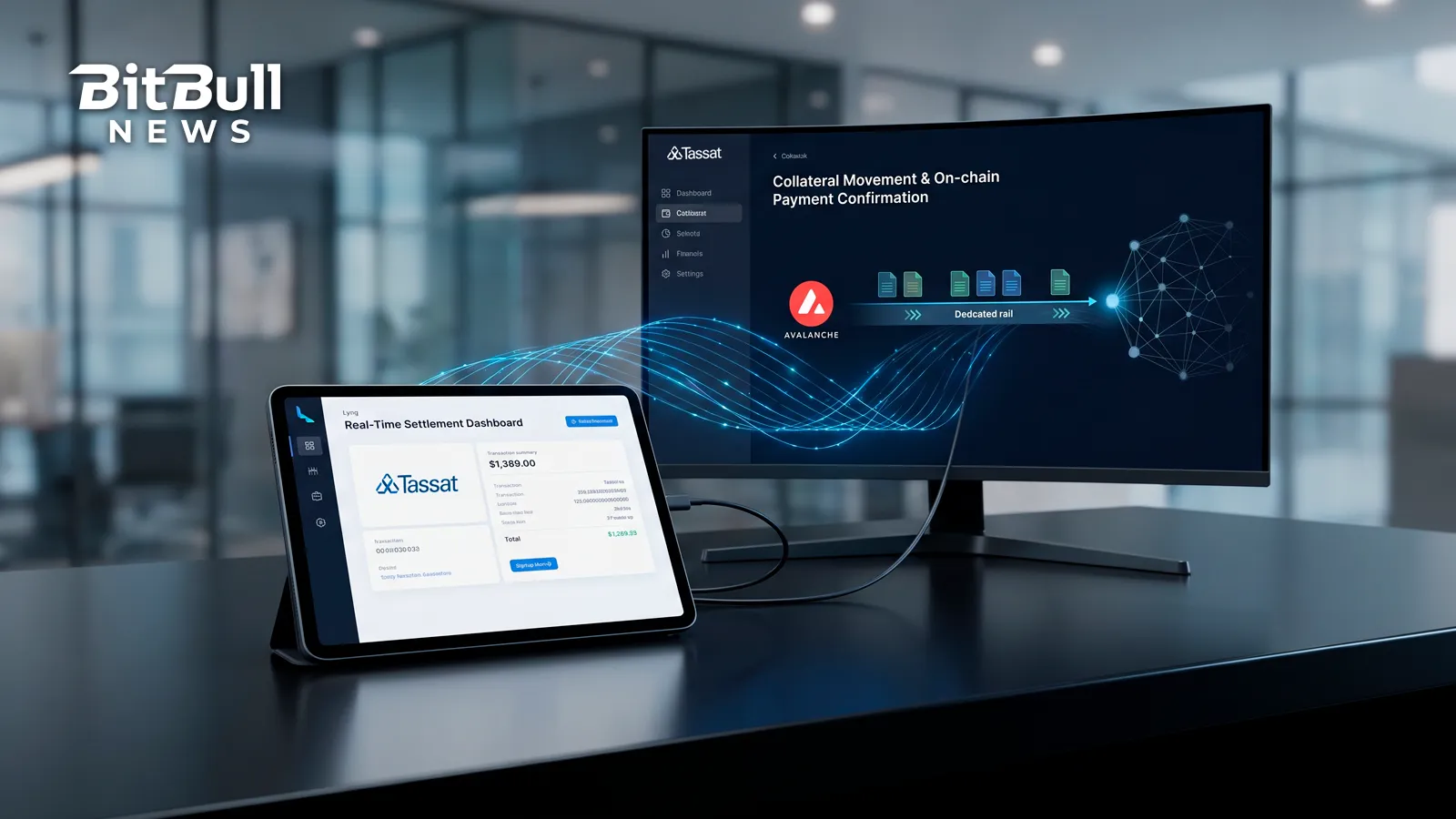
Tassat is pushing institutional settlement further onchain through Lynq, a real-time settlement network built with Avalanche as part of its core infrastructure.
The Avalanche Foundation says Tassat is upgrading Lynq to Avalanche, bringing bank-grade settlement infrastructure into a public blockchain environment designed for high-speed institutional workflows. Simply put, this is not another retail payments story. It is about fixing the slow, fragmented back end of digital asset trading.
Lynq Targets The Settlement Gap Institutions Still Face
Crypto trading moves fast, but settlement often does not.
Institutions can trade across exchanges, OTC desks and liquidity providers around the clock, yet the movement of cash, collateral and final settlement can still depend on slower systems, fragmented workflows and counterparty trust. Lynq was built to close that gap.
The network officially launched in July 2025 with its first transaction recorded on Avalanche and its first account-to-account settlement completed on the Lynq platform. At launch, Lynq said 13 digital asset companies had already onboarded, with more than 50 additional clients in different stages of the process.
That gives this story a concrete “what changed.” Avalanche is not only hosting another token or DeFi app. It is being used as part of a broker-dealer-operated settlement utility aimed at institutional post-trade operations.
Tassat Adds The Real-Time Payments DNA
Tassat’s role matters because the company has spent years building real-time blockchain-based payment and settlement technology for financial institutions.
Lynq builds on that experience, but the model is different from ordinary bank transfer rails. The platform combines real-time settlement with interest-bearing infrastructure, giving institutions a way to keep capital productive during settlement, collateral and reserve operations.
That “interest in transit” feature is the real product twist. In traditional settlement, capital can sit idle while trades finalize. Lynq’s model is designed to let institutions earn interest while money is moving through the settlement process.
This fits a broader market shift toward tokenized collateral and trading workflows, where the real value of onchain finance is not just tokenization itself, but making assets usable inside live institutional operations.
Avalanche Gets A More Serious Institutional Use Case
For Avalanche, Lynq adds a different kind of proof point.
Avalanche has long pitched itself as infrastructure for fast, customizable blockchain networks. Lynq gives that pitch a more institutional angle: settlement, proof of reserves, segregated accounts and real-time movement of value between trusted counterparties.
The network also sits inside a broader institutional stack. Lynq was developed by Arca Labs, Tassat and tZERO, uses tZERO’s broker-dealer and special purpose broker-dealer structure, and works with U.S. Bank as qualified cash custodian.
That matters because institutions do not adopt blockchain rails only because they are fast. They need custody, legal structure, operational controls, reporting and counterparties they can actually work with. Lynq’s design tries to connect those pieces rather than asking firms to choose between crypto-native speed and traditional-market safeguards.
What Changed
Before networks like Lynq, many digital asset firms had to choose between two imperfect settlement models: fast but counterparty-heavy crypto flows, or safer but slower traditional banking rails.
Lynq aims to create a middle path. It gives institutions a blockchain-based settlement layer while keeping the structure closer to regulated market infrastructure than open-ended DeFi.
That is the important shift. The industry is moving from “can blockchain settle assets?” to “can blockchain settle institutional trades with custody, interest, proof of reserves and risk controls built in?”
A similar move is happening across institutional crypto settlement networks, where trading firms and custodians are trying to reduce pre-funding, cut counterparty risk and make capital work harder.
Who It Affects Now
The first group affected is institutional digital asset firms: market makers, exchanges, OTC desks, custodians and stablecoin issuers that need faster settlement without increasing counterparty risk.
The second group is banks and broker-dealers. Lynq shows how traditional financial permissions and blockchain infrastructure can sit in the same workflow, instead of competing as separate systems.
The third group is blockchain networks fighting for institutional relevance. For Avalanche, Lynq is a stronger use case than another liquidity incentive campaign because it touches real market plumbing: settlement, reserves and post-trade operations.
Why It Matters
This story matters because institutional crypto adoption depends less on front-end trading apps and more on what happens after the trade.
If settlement stays fragmented, capital stays trapped, counterparties take more risk and institutions hesitate to scale. Lynq’s pitch is that settlement can be real-time, interest-bearing and more transparent without forcing firms to abandon regulated infrastructure.
The next thing to watch is usage. If Lynq continues onboarding institutions and proves that settlement can move safely on Avalanche at scale, the network becomes more than a blockchain integration. It becomes a working piece of institutional market infrastructure.
The bigger signal is clear: tokenization and digital assets are moving into the back office. That is where adoption gets less flashy, but much more important.