


Content
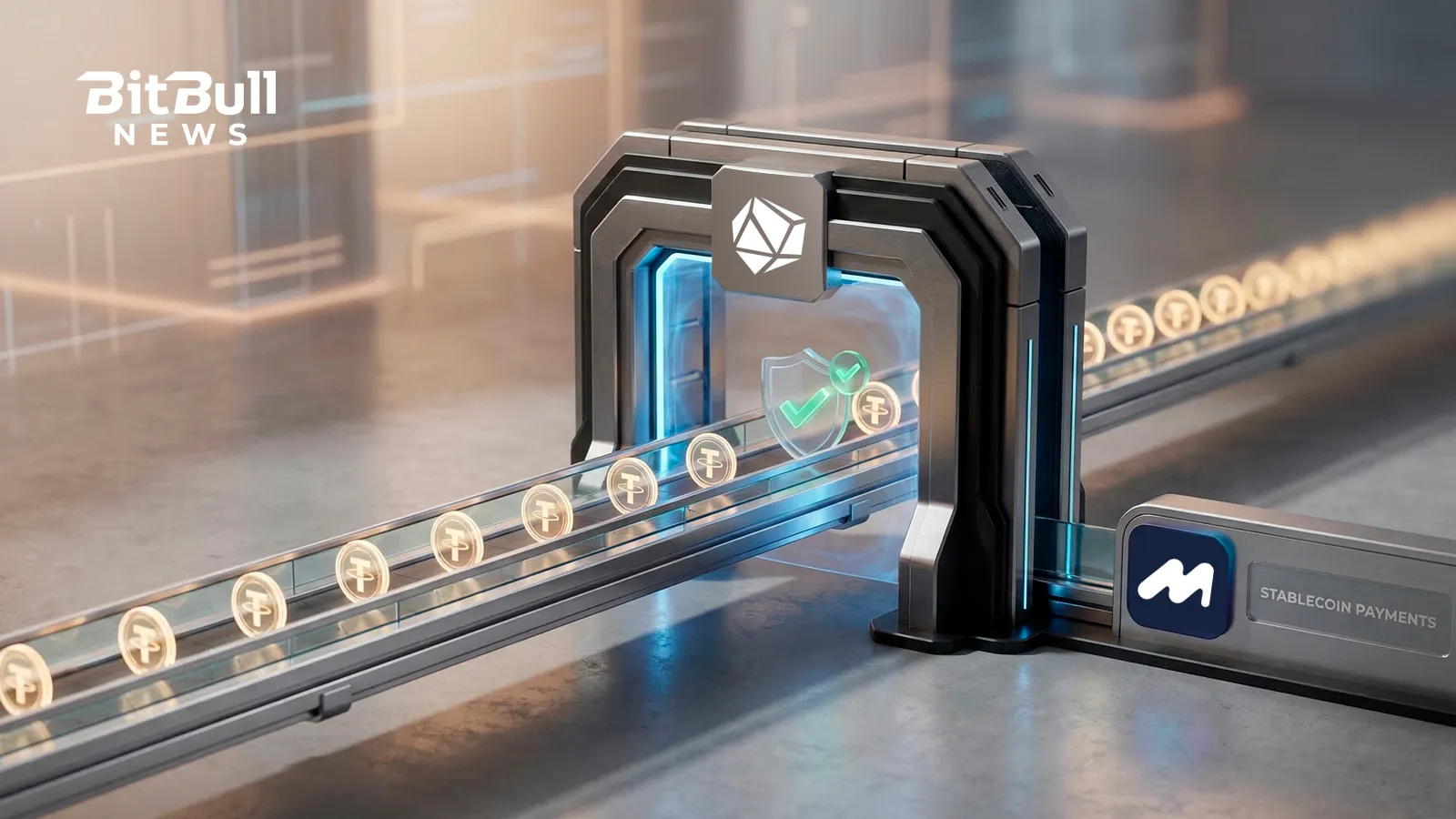
BlockSec has partnered with Morph as an official audit partner for the Morph Payment Accelerator, a program the companies are positioning around stablecoin payment infrastructure. The announcement centers on one message: if more payment volume is moving on-chain, the underlying security stack has to mature with it.
According to BlockSec, the partnership is aimed at giving payment teams building on Morph access to security support before and after launch, with a focus on protecting real user funds in products such as crypto cards, remittance platforms, and merchant payment gateways.
What was announced
BlockSec said it is joining the $150 million Morph Payment Accelerator as an official audit partner. In practical terms, that means the company will serve as a security provider for payment projects building inside the Morph ecosystem rather than launching a new consumer-facing product of its own.
The post frames the deal around stablecoin payments and institutional-grade infrastructure. BlockSec’s argument is that as payment companies and financial institutions shift toward on-chain settlement, security can no longer be treated as a later-stage add-on.
What BlockSec says it will provide
BlockSec said its role is to act as the security layer for builders in the Morph ecosystem. The company said it will work directly with projects to identify vulnerabilities before they go live, stress-test infrastructure against real-world attack scenarios, and monitor systems after launch.
More specifically, BlockSec said Payment Accelerator participants will get access to smart contract audits and penetration testing. The company also said eligible projects in the program can receive a 20% discount on audit services, which lowers the cost of getting external security review at the build stage.
Where the partnership is focused
The source makes clear that this is not a general-purpose blockchain partnership. It is aimed at payment use cases handling actual user funds, including crypto card issuers, cross-border remittance platforms, and merchant payment gateways operating on Morph.
That matters because payment infrastructure tends to face a different risk profile from experimental DeFi products. Security failures in this category can affect settlement, merchant acceptance, and end-user trust much more directly. That second point is an inference based on the use cases BlockSec highlighted.
Why this matters now
The announcement fits a broader shift in crypto infrastructure. Stablecoins are increasingly discussed less as trading instruments and more as payment rails, especially for remittances, cards, and merchant checkout. In that environment, audit coverage and infrastructure testing become part of the commercial story, not just the technical one.
It also shows how blockchain ecosystems are trying to attract payment builders with more than grants or marketing. Morph is pairing its accelerator with a security partner, which suggests that onboarding serious payment teams now requires compliance and security support alongside product incentives.
Why it matters for crypto
- It shows stablecoin payment growth is pushing more security work into the early stages of product development, not just post-launch response.
- It suggests blockchain ecosystems want to compete for payment builders by bundling infrastructure support with audit access and testing services.
- It reinforces that crypto payments are moving toward more institution-facing standards, especially where real consumer or merchant funds are involved.
- It could help reduce launch risk for projects building cards, remittance tools, and merchant payment products on-chain.
What to watch next
- Whether Morph discloses which payment teams join the accelerator and use BlockSec’s audit services.
- Whether the partnership leads to published case studies, audit reports, or launch metrics tied to payment adoption on Morph.
- Whether other blockchain ecosystems follow with similar security-plus-accelerator models for stablecoin payments.
- Whether enterprise payment firms treat third-party security support as a baseline requirement for launching on-chain services.