


Content
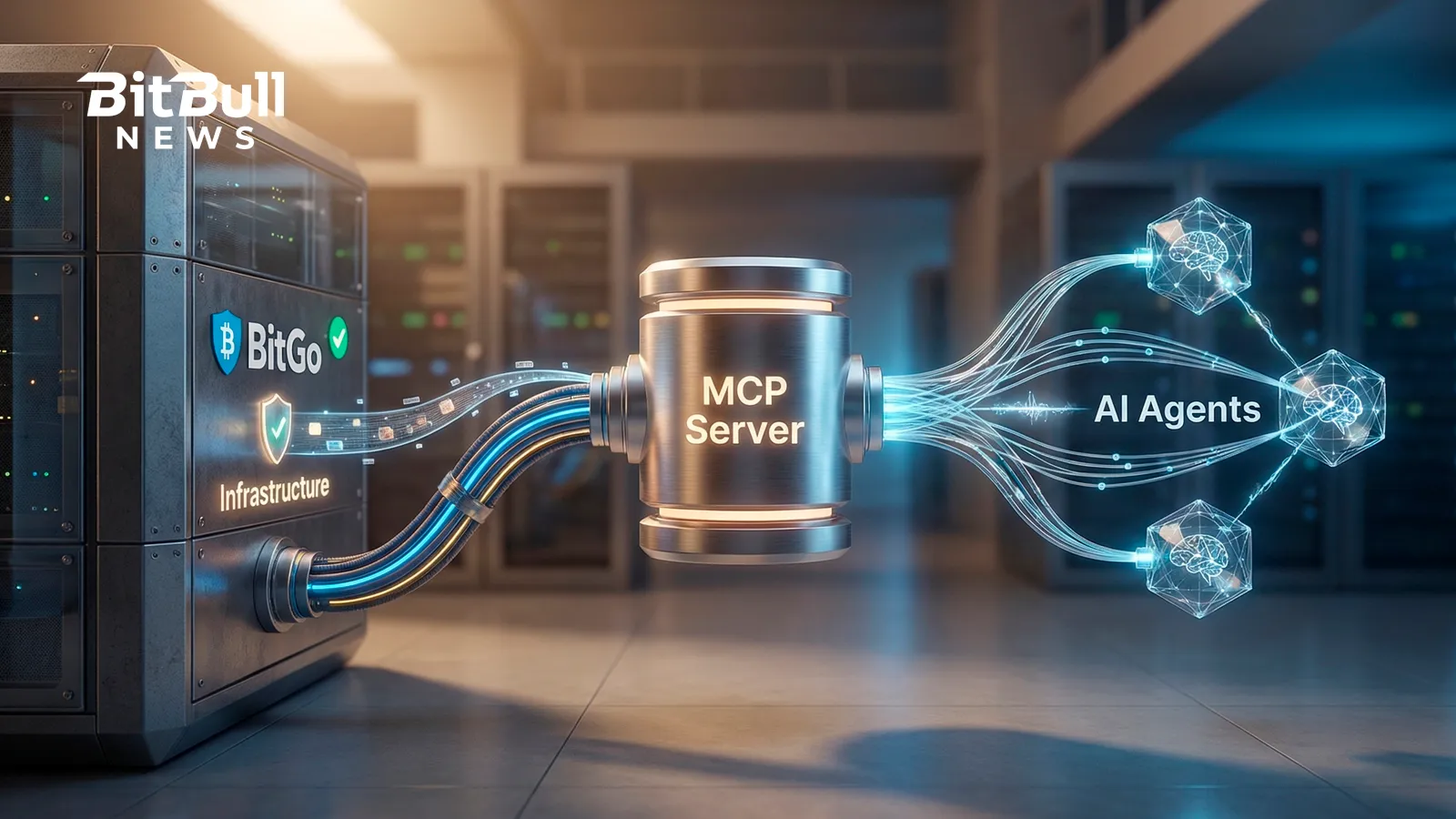
BitGo has launched a Model Context Protocol, or MCP, Server that lets AI-powered tools search, read, and interact with BitGo’s developer resources using natural language. The company is pitching the product as a way to bring its crypto infrastructure into AI-native development workflows rather than forcing teams to jump between docs, portals, and manual setup guides.
The release matters because it shifts BitGo’s developer stack closer to the way many engineers now work: through AI assistants embedded inside coding tools and IDEs. In BitGo’s framing, developers can now treat its platform as “agentic infrastructure,” with more AI-facing capabilities expected to follow.
What happened
BitGo said the new MCP Server allows compatible AI clients to connect to its Developer Portal and retrieve documentation context while teams build on the BitGo platform. That includes access to product information, API references, setup guidance, and broader documentation resources through natural-language queries.
According to the release, the goal is to reduce friction during development by making technical information easier to find inside existing workflows. Instead of manually digging through docs, developers can prompt AI tools to surface relevant information about wallet functionality, transaction flows, staking documentation, webhooks, and policy features.
How the MCP Server works
BitGo said MCP is an open standard that lets AI assistants connect to external sources of information. By exposing its developer resources through that standard, the company is making BitGo documentation more directly usable inside AI tools and coding environments.
The company said the MCP Server is available now and works with MCP-compatible clients including Claude Code, Claude Desktop, Cursor, ChatGPT, JetBrains IDEs, VS Code, and Windsurf. That gives the launch practical reach beyond a single AI vendor or isolated interface.
What developers can do with it
BitGo said developers can use natural-language prompts to explore wallet features, review transaction flows, understand staking-related documentation, configure webhooks, and navigate policy controls. In practical terms, the product is less about changing BitGo’s underlying crypto infrastructure and more about changing how developers access and use it.
The company also noted that its Developer Portal already includes an Ask AI feature that lets users ask questions directly inside documentation pages. The MCP Server expands that idea from in-page assistance to broader agent-based workflows across external AI tools and development environments.
Why this matters now
This launch fits a bigger shift in software development. As AI assistants become a more common layer between engineers and technical systems, infrastructure companies increasingly need their platforms to be readable and usable by agents, not just humans scrolling through documentation. That broader industry reading is an inference, but it matches exactly how BitGo framed the launch.
For BitGo, the strategic angle is clear. The company is not only selling custody, wallets, staking, trading, financing, stablecoin, and settlement services; it is also trying to make those services easier to build on in an AI-first environment. That matters because developer experience is becoming a competitive layer of crypto infrastructure in its own right.
Why it matters for crypto
- It brings crypto infrastructure closer to AI-native developer workflows instead of relying only on traditional docs and manual integration.
- It suggests infrastructure providers now see AI agents as a real interface layer for wallets, staking, transactions, and policy management.
- It could reduce integration friction for teams building on BitGo by making technical context easier to retrieve inside coding tools.
- It points to a broader shift where developer experience in crypto may increasingly depend on AI compatibility, not just APIs and uptime.
What to watch next
- Whether BitGo expands the MCP Server from documentation access into deeper product actions or operational workflows. The release suggests this is only the first step.
- Whether developers meaningfully adopt the tool across AI clients like ChatGPT, Cursor, VS Code, and JetBrains IDEs. The launch is live, but usage data was not disclosed.
- Whether other crypto infrastructure providers respond with similar MCP-style integrations for developer portals and APIs. This is an inference from the competitive logic of the launch.
- Whether AI-agent access becomes a standard feature for institutional crypto infrastructure platforms rather than an early differentiator. This is also an inference based on BitGo’s positioning.