


ADI Foundation Partners With H2O Hospitality to Bring ADI Chain Payments to UAE Tourism

picture: official press release on PRNewswire
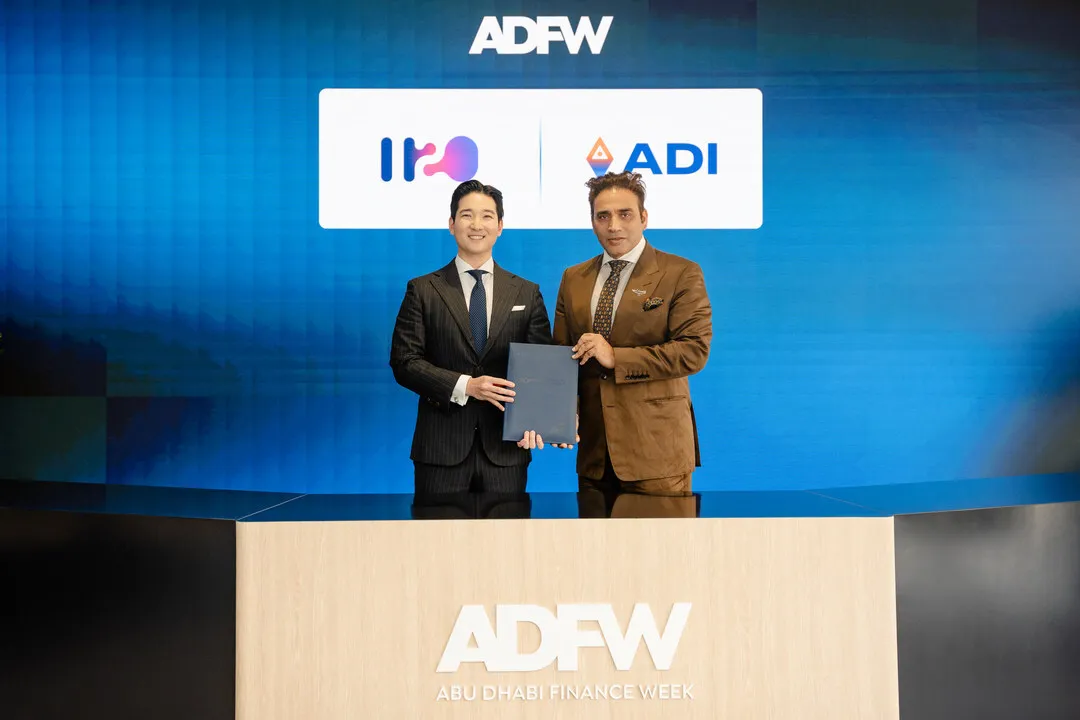
ABU DHABI — Feb. 5, 2026 — The ADI Foundation, an Abu Dhabi-based organization building what it calls sovereign-grade blockchain infrastructure, announced a partnership with H2O Hospitality, a South Korea-based hospitality tech firm, to embed ADI Chain into real-world travel and hospitality experiences across the UAE.
The idea: make blockchain “invisible” to visitors. ADI and H2O say they will use wallets, identity, and compliant infrastructure to onboard travelers at scale—without requiring them to understand how blockchain works.
How it’s supposed to work in practice
Under the agreement, ADI will develop and integrate digital solutions designed to streamline the travel experience, while H2O Hospitality will handle distribution—bringing those capabilities to travelers via its guest-facing platforms in the UAE and beyond.
A key integration point is H2O’s smart check-in system. By embedding ADI Chain there, H2O is positioned as a distribution channel that could let visitors open a wallet on arrival and pay throughout their stay using a soon-to-be-launched dirham-backed stablecoin, according to the release.
The two organizations also say the integration could connect data across the customer journey—from check-in to payments and on-site consumption—directly via ADI Chain. Alongside payments, the partnership will explore rewards and loyalty incentives tied to the experience.
What the companies are saying
Ajay Bhatia, Principal Council Member of the ADI Foundation, said the partnership reflects a push to make blockchain “practical” with real-world utility by embedding ADI Chain into travel flows and connecting more people to the UAE’s digital economy.
John Lee, CEO of H2O Hospitality, said the company plans to integrate tightly with ADI Chain so tourists can use digital currencies conveniently without needing to understand the underlying infrastructure.
Context: stablecoin plans and prior partnerships
The release notes the agreement was signed during Abu Dhabi Finance Week, where ADI Foundation says it also partnered with financial services institutions including Franklin Templeton, BlackRock, and Mastercard, with more partnerships expected. It also points to the launch of ADI Chain mainnet and an ADI utility token.
ADI Chain is also positioned as the network intended to power a dirham-backed stablecoin being developed with IHC, Sirius International, and First Abu Dhabi Bank, as described in the announcement.
About the partners (as described)
The ADI Foundation says it is headquartered in Abu Dhabi’s ADGM and is focused on government and institutional infrastructure to accelerate digital economies, with a stated mission of bringing 1 billion people into the digital economy by 2030.
H2O Hospitality describes itself as a hospitality tech company providing property management and contactless solutions, operating across South Korea, Japan, Southeast Asia, and the Middle East, and managing over 21,000 rooms.
Industry takeaway: why this matters for crypto and the stablecoin sector
This is a clear push to move stablecoins from “finance-first” into daily commercial usage—specifically tourism, where frictionless payments and FX complexity are constant pain points.
If executed as described, the model could be useful beyond the UAE:
- Stablecoin utility in a high-volume, real-world environment. Travel is a stress test for payments—high churn, lots of small transactions, and users who don’t want a crypto learning curve.
- Wallet onboarding as part of the travel flow. If wallet creation happens at check-in, blockchain becomes a “default rail,” not an optional extra step.
- A template for compliant consumer crypto payments. The release emphasizes compliant infrastructure and a regulated stablecoin approach—exactly what institutions and merchants typically require to participate.
Bottom line: this partnership is less about speculation and more about whether stablecoins can become an everyday payment instrument when embedded into consumer experiences people already use.