


Content
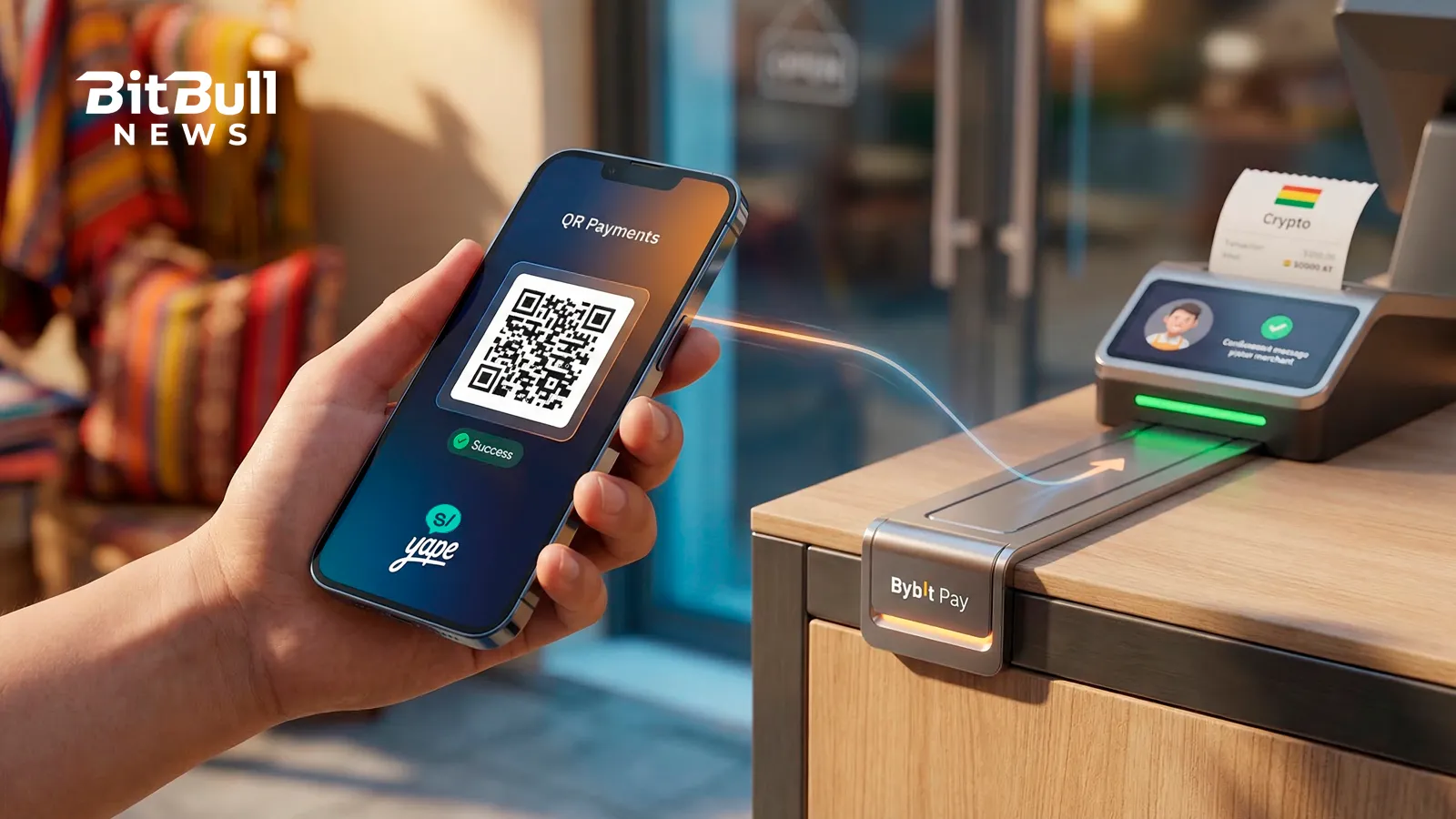
Bybit has launched Yape QR payments on Bybit Pay in Bolivia, allowing users to pay with crypto online and at local merchants through one of the country’s best-known QR payment rails. The company is pitching the rollout as a way to connect digital assets with everyday spending instead of keeping crypto usage mostly inside trading apps.
The product logic is simple: users scan a QR code as they normally would, while the crypto conversion happens in the background. That means Bybit is not trying to change local payment behavior so much as plug crypto into a format Bolivian users already know.
What happened
Bybit said it has enabled Yape QR payments through Bybit Pay in Bolivia. The feature is meant to support real-world crypto payments both online and at local merchants, using Yape’s existing QR-based payment flow.
The company also said it is among the first exchanges to launch a crypto payment solution integrated with Yape QR in Bolivia. That framing matters because the announcement is not just about another checkout option; it is about securing an early position inside a local payment habit that already has scale.
How the rollout works
According to the release, Bolivia-based users can spend crypto through Yape QR by scanning a code in the same way they would for a normal QR payment. Bybit said the conversion from crypto happens behind the scenes, with the goal of making the payment experience feel familiar rather than technical.
To promote adoption, Bybit said new users can get a 50% discount coupon on their first Yape QR payment, while existing users may receive cashback of 2% to 10% on Yape QR transactions, depending on the applicable terms. Those incentives suggest the company is treating the launch as a usage push, not just a feature announcement.
Why Yape matters in this launch
The release highlights Yape’s local reach as the core reason this integration matters. Bybit said Yape has more than 15 million active users in Peru and has grown to more than 3 million users in Bolivia since entering that market in 2023, with a broad affiliated merchant network. Combined, the platform serves more than 18 million users across both countries.
That gives Bybit access to a payment rail that already has consumer familiarity. In practical terms, the company is trying to make crypto spendable through an existing wallet-and-QR ecosystem rather than building new consumer payment behavior from scratch. That second point is an inference based on the structure of the rollout described in the release.
Why this matters now
This launch fits a broader exchange strategy that is increasingly focused on payments, not just trading. Bybit described the rollout as part of its effort to expand practical crypto payment solutions across Latin America, where it sees demand for more accessible and real-world digital asset use.
It also reflects a bigger industry shift: crypto payment products tend to work better when they fit around local rails people already use. In Bolivia, Bybit is not asking users to learn a new merchant flow. It is trying to insert crypto into an existing QR-payment habit with local acceptance and scale. The first sentence is sourced; the second is a grounded inference from the release.
Bybit also said it plans to keep expanding in Bolivia, with a longer-term goal of reaching around half the country’s population in the coming years. That makes this look less like a one-off campaign and more like a local market buildout.
Why it matters for crypto
- It shows exchanges are pushing harder into everyday payments, not just custody and trading.
- It reinforces that local QR rails may be one of the fastest ways to make crypto usable in daily commerce.
- It gives crypto another path into Latin American payment flows without forcing merchants and users to change checkout behavior.
- It suggests payment adoption may depend more on local integrations than on global crypto branding alone. This last point is an inference from the rollout model described by Bybit.
What to watch next
- Whether Bybit publishes usage numbers for Yape QR transactions in Bolivia after the launch period.
- Whether the company expands similar QR-based crypto payment integrations to other Latin American markets. This is an inference based on Bybit’s regional language in the release.
- Whether merchant acceptance and repeat usage grow after the promotional discounts and cashback offers end.
- Whether local payment partnerships become a bigger competitive battleground for exchanges trying to build consumer crypto payments. This is an inference from the strategy described in the announcement.