


Content
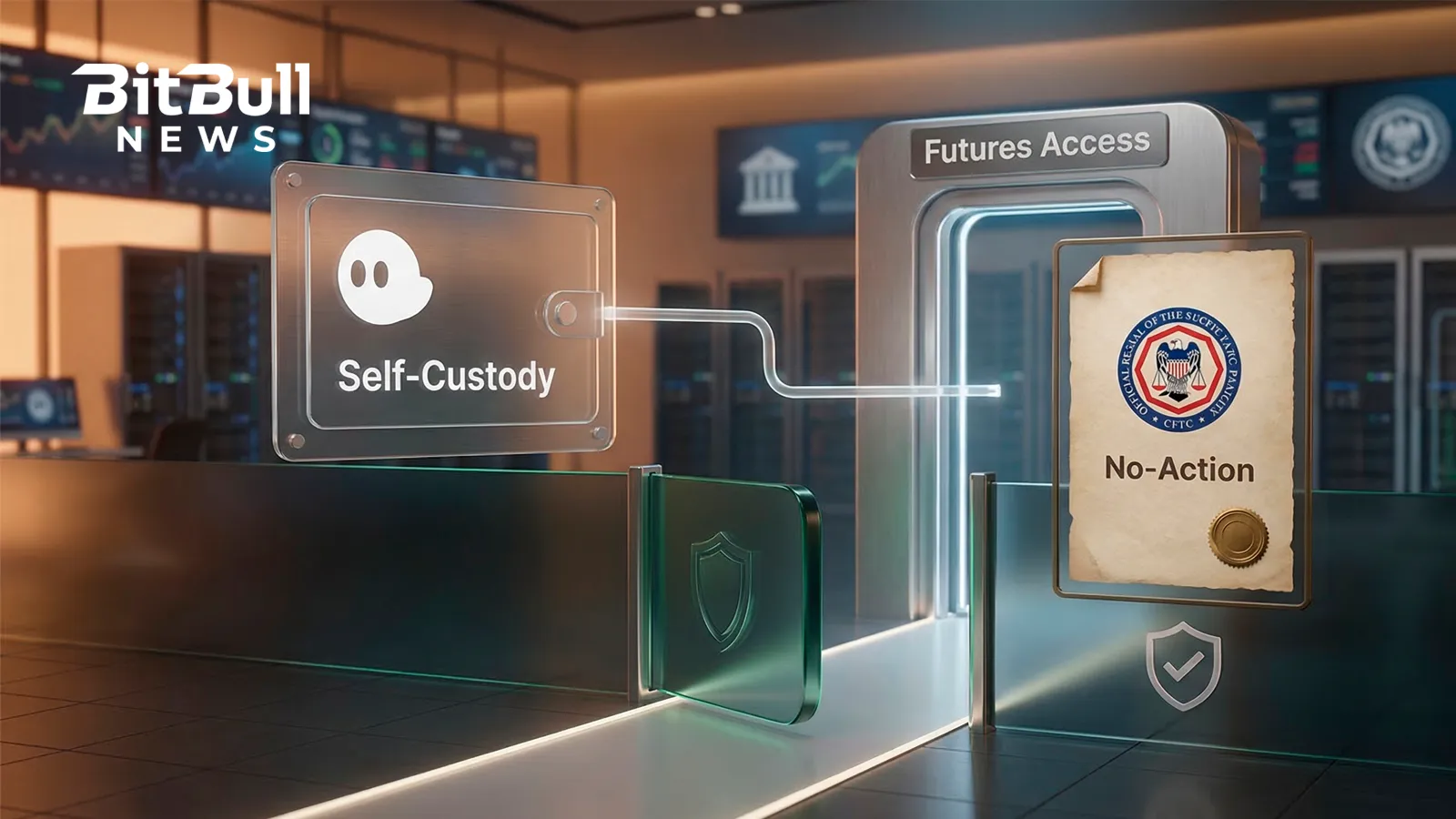
The CFTC has given Phantom Technologies a significant piece of regulatory relief. In a new no-action position, staff said they will not recommend enforcement against Phantom or certain employees for failing to register as an introducing broker or associated person, as long as the company’s planned derivatives-related activities stay within the conditions laid out by the agency.
The decision matters because it opens a path for a self-custodial wallet provider to help users access CFTC-regulated derivatives without being treated, at least for now, like a traditional brokerage intermediary.
What the CFTC actually approved
The CFTC said Phantom wants to expand its wallet software so users can access trading in Commission-regulated derivatives through registered futures commission merchants, introducing brokers, or designated contract markets. The agency said Phantom’s software would let users review market data, see product information, and submit orders through Phantom’s front-end interface, but the orders would go directly to regulated counterparties.
That is the key point. The CFTC is not blessing Phantom as a derivatives exchange or broker. It is saying that, under these specific facts, staff will not recommend enforcement solely because Phantom is providing the software layer.
Why Phantom needed this relief
Under U.S. commodities law, firms that solicit or accept derivatives orders for compensation can trigger introducing broker registration rules. The CFTC letter explains that Phantom’s planned business model goes beyond older “technology service vendor” interpretations because users and collaborating firms would not necessarily need a pre-existing relationship, Phantom could market the service, and it could receive transaction-based fees or revenue sharing.
In plain terms, Phantom’s setup looked close enough to broker-type activity that it needed direct comfort from the regulator before launching.
What Phantom told the CFTC
According to the no-action letter, Phantom said it would remain a self-custodial wallet provider and would not hold or control customer assets. It also said it would not generate “buy” or “sell” signals, and would not exercise discretion over how user orders are routed or executed. The software would simply let users transmit orders directly to regulated market participants.
The conditions matter as much as the relief
This is not a blanket exemption. The CFTC’s position is tied to specific guardrails. Staff said Phantom and relevant personnel cannot be subject to statutory disqualification, absent a waiver, and the relief applies only until the Commission issues future rulemaking or guidance on how introducing broker rules should apply to software providers.
Just as importantly, the CFTC emphasized that Phantom’s role must stay passive. The company cannot take custody, cannot provide express trading signals, and cannot take discretion over execution or routing.
Why this is a notable crypto policy signal
This is one of the clearest U.S. regulatory signals so far that a crypto wallet can sit at the edge of regulated derivatives access without automatically being forced into the full broker bucket. The agency is effectively acknowledging that software interfaces can play a real role in market access, while still drawing a line around custody, advice, and execution control. This is an inference based on the structure of the no-action letter and the facts the CFTC highlighted.
The decision also shows how U.S. regulators may be getting more precise. Instead of treating all crypto-facing market infrastructure the same way, the CFTC is distinguishing between software that facilitates access and firms that actually perform brokerage functions. This is an inference supported by the letter’s repeated focus on Phantom’s passive role.
Why it matters for crypto
- The decision gives Phantom a path to connect self-custody users with regulated derivatives venues without immediate introducing broker registration.
- It suggests the CFTC is willing to treat wallet software differently from custody providers, brokers, and execution venues when the facts support that distinction. This is an inference based on the letter’s analysis.
- The relief could become an important reference point for other wallet and infrastructure firms that want to build compliant access layers around regulated products. This is an inference based on the novelty and scope of the letter.
- At the same time, the guardrails are strict, which means this is not a free pass for wallets to market derivatives however they want.
What to watch next
- Whether Phantom actually rolls out derivatives access under the exact structure described in the letter.
- Whether the CFTC issues broader rulemaking or guidance on software providers and introducing broker registration, which would eventually replace this no-action position.
- Whether other self-custodial wallets or crypto interfaces seek similar relief for regulated futures and event-contract access. This is an inference based on the precedent value of the letter.
- How aggressively the agency polices the line between passive interface software and active solicitation or execution involvement. This is an inference supported by the conditions in the letter.