


Bitcoin: Digital Money on a Blockchain

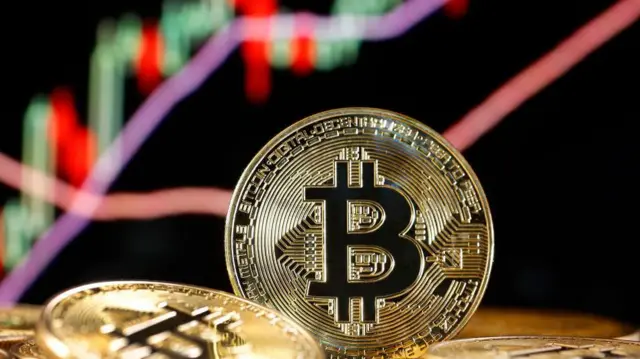
Bitcoin is the first widely used cryptocurrency, launched in 2009 by the pseudonymous Satoshi Nakamoto. It enables peer-to-peer payments without banks, using a public ledger called the blockchain. Transactions are bundled into blocks and secured by mining, where computers compete to solve cryptographic puzzles and earn new coins and fees. Bitcoin’s supply is capped at 21 million, which supporters view as a hedge against inflation. Critics highlight sharp price swings, energy use, and regulatory uncertainty. Because the software is open-source, anyone can run a node to verify rules independently. Stored in digital wallets, it is used for investment, remittances, and as a form of “digital gold,” while newer tools like the Lightning Network aim to make small payments faster and cheaper.
Title 1
Bitcoin is the first widely used cryptocurrency, launched in 2009 by the pseudonymous Satoshi Nakamoto. It enables peer-to-peer payments without banks, using a public ledger called the blockchain. Transactions are bundled into blocks and secured by mining, where computers compete to solve cryptographic puzzles and earn new coins and fees. Bitcoin’s supply is capped at 21 million, which supporters view as a hedge against inflation. Critics highlight sharp price swings, energy use, and regulatory uncertainty. Because the software is open-source, anyone can run a node to verify rules independently. Stored in digital wallets, it is used for investment, remittances, and as a form of “digital gold,” while newer tools like the Lightning Network aim to make small payments faster and cheaper.